
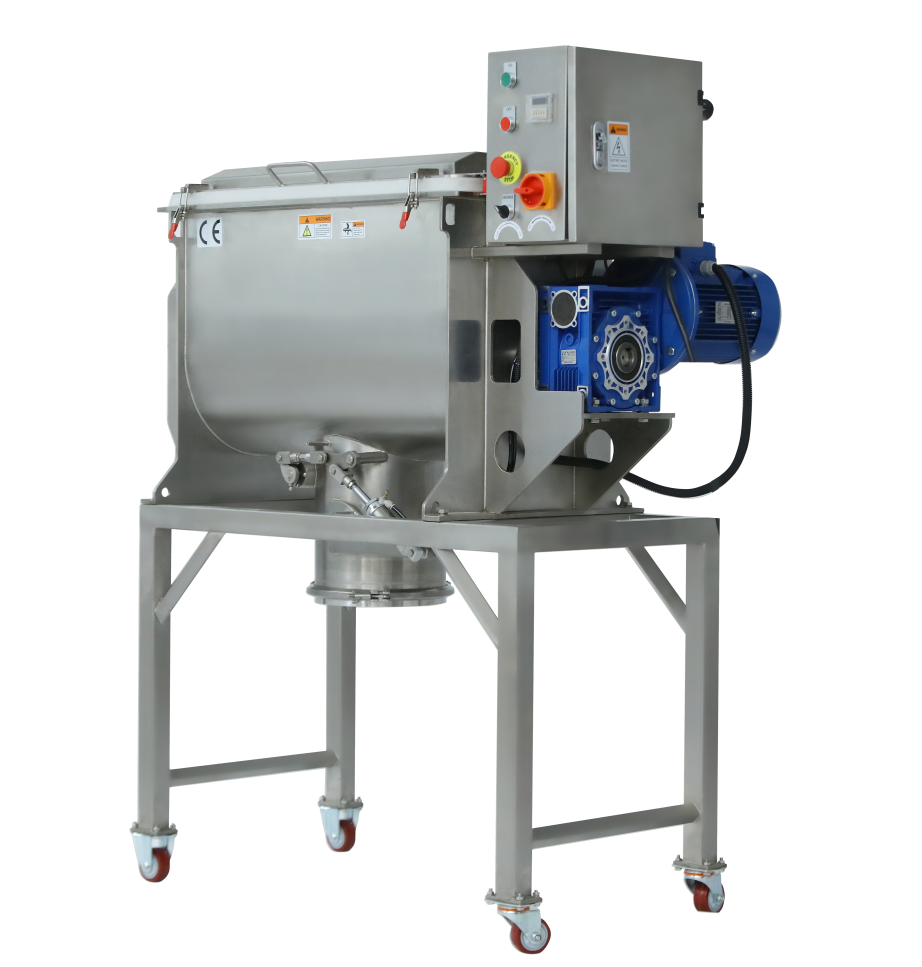
The capacity of a mixer is usually expressed in L, but the volume of the equipment does not equal the actual weight of material it can hold.
Different powders have different bulk densities, so the weight of the same volume of powder can vary significantly.
Therefore, when selecting the equipment, you should first determine:
- • How many kg of material need to be mixed per batch
- • What is the bulk density of the material
- • How many batches need to be completed per hour or per day
Do not simply choose a 500L mixer because you need to mix 500 kg of material, as the final model should also be determined based on the material density and the effective working volume of the equipment.
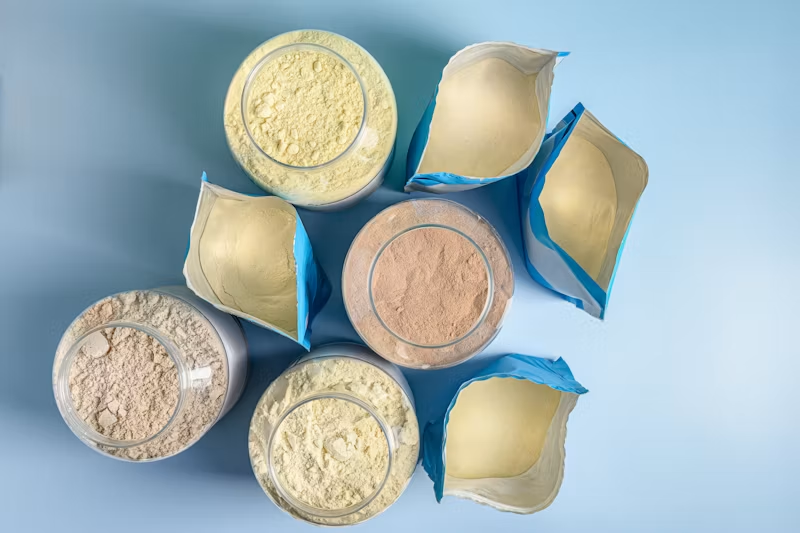
Ribbon blenders are mainly used for dry materials such as powders and granules, but different materials may behave differently during mixing.
You should provide the equipment supplier with as much accurate information about the material as possible, such as:
Powder name, bulk density, particle size, flowability, whether it tends to form lumps, whether it is sensitive to temperature, and whether it tends to generate dust…
For powders with significant differences in density, you also need to consider whether segregation may occur during the mixing process. For lightweight, fine, or somewhat cohesive powders, actual material testing may be required.
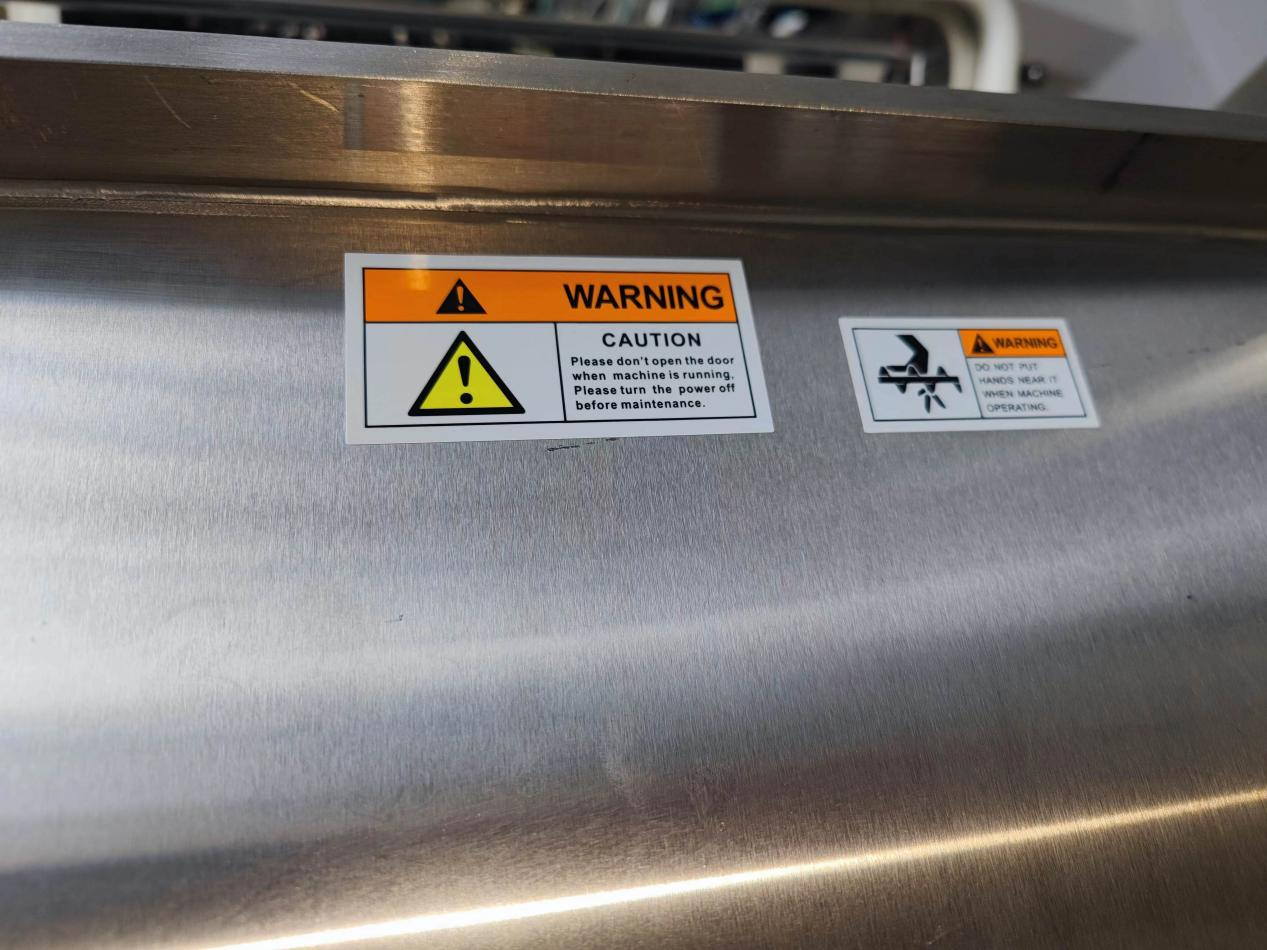
Common options include carbon steel, SS304, and SS316 stainless steel.
• Food & Pharma: For food, pharmaceutical, and other powder products with high hygiene requirements, stainless steel is usually considered.
• SS304: Suitable for many general food and industrial powders.
• SS316: If the product is somewhat corrosive or requires higher corrosion resistance, SS316 can be considered.
In addition to the inner wall of the mixing chamber itself, you should also confirm which components come into direct contact with the product. For example, the ribbons, shaft, inner wall, and discharge area should all be made from suitable materials according to the actual requirements.
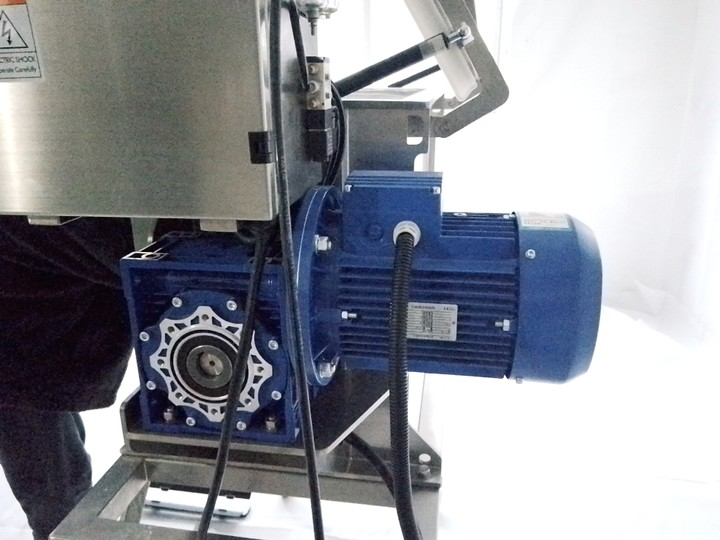
A larger mixer does not simply mean that a larger motor is required.
The required motor power should be determined based on the following factors: mixer capacity, material density, material flowability, loading level, and starting load.
If the material is relatively heavy or tends to form lumps, the starting load may be significantly higher than the load during normal operation.
Therefore, especially for large ribbon blenders, it is important to confirm that the motor and gearbox can meet the actual operating conditions, rather than simply comparing the kW ratings offered by different suppliers.
After mixing, it is equally important that the material can be discharged quickly and cleanly.
The appropriate discharge method should be determined according to the actual layout of the production line. If the mixer needs to be connected to a screw conveyor, packaging machine, or other downstream equipment, the size and height of the discharge outlet should also be confirmed in advance.
For production lines with high output, the discharge speed can also directly affect the overall production cycle.
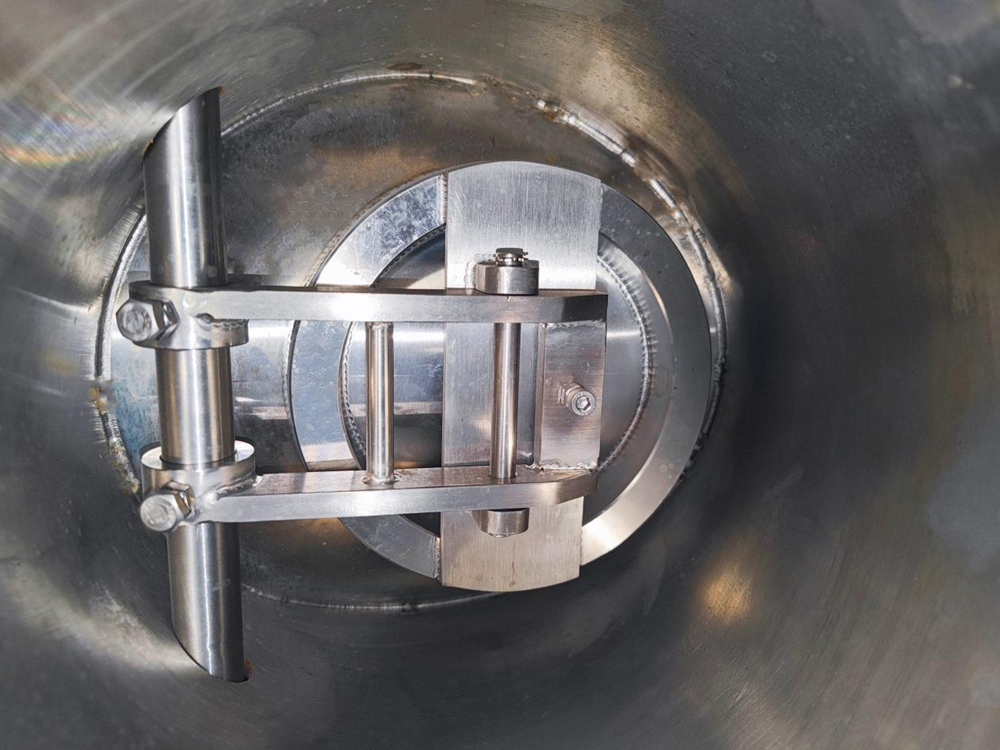
Powder processing can easily generate dust, so the sealing system of the mixer is also an important factor that should not be overlooked when selecting the equipment.
The following should be considered:
For food or pharmaceutical applications, you should also confirm whether the sealing materials meet the relevant product-contact requirements.
If the same mixer needs to be used for multiple products, cleaning requirements can directly affect the changeover time.
Before purchasing, you can confirm whether the inside of the mixer is easy to clean, whether there are areas where material can easily accumulate, whether the access doors are easy to open, whether the ribbons and shaft are easy to inspect, whether the seals are easy to replace, and whether spare and wearing parts are available.
For plants that frequently change between different products, these details can sometimes be more important than the equipment price itself.
Post time: Sep-30-2026