
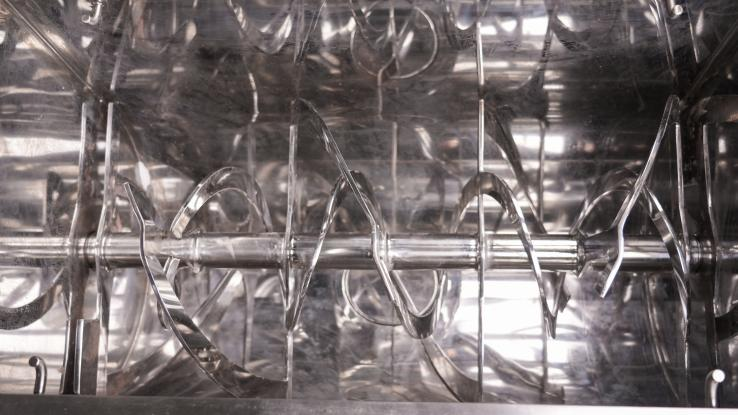
In the field of powder mixing equipment, the ribbon blender is an extremely common and efficient tool. Its core structure consists of a U-shaped horizontal cylinder equipped with dual layers of spiral ribbon-shaped blades—an inner and an outer layer. During operation, the outer ribbon blades push the material from both sides toward the center, while the inner ribbon blades move in the opposite direction, pushing the material from the center toward both sides, thereby creating a counter-current mixing effect. This design achieves extremely high mixing uniformity—typically over 98%—within 5 to 15 minutes. Whether you are looking for small-scale laboratory equipment or industrial models for large-scale production, your choice of purchasing channel will depend on your specific needs.
Main Purchasing Channels
Contacting Chinese manufacturers directly is currently one of the most common and cost-effective methods. China is a major global producer of mixing equipment, with a large concentration of manufacturers in Shanghai, Jiangsu, Wuxi, and other locations. You can find numerous suppliers by searching “Ribbon Blender Manufacturer” on Alibaba International (made-in-china.com) or Google. These manufacturers typically accept orders starting from a single unit and offer customization options, such as adjusting the ribbon spacing based on your material properties or adding a liquid spray system. In terms of pricing, small machines (such as 40-liter laboratory models) start at around $3,400, while prices for mainstream medium-sized industrial machines (such as 1,000-liter models) vary significantly depending on configuration.
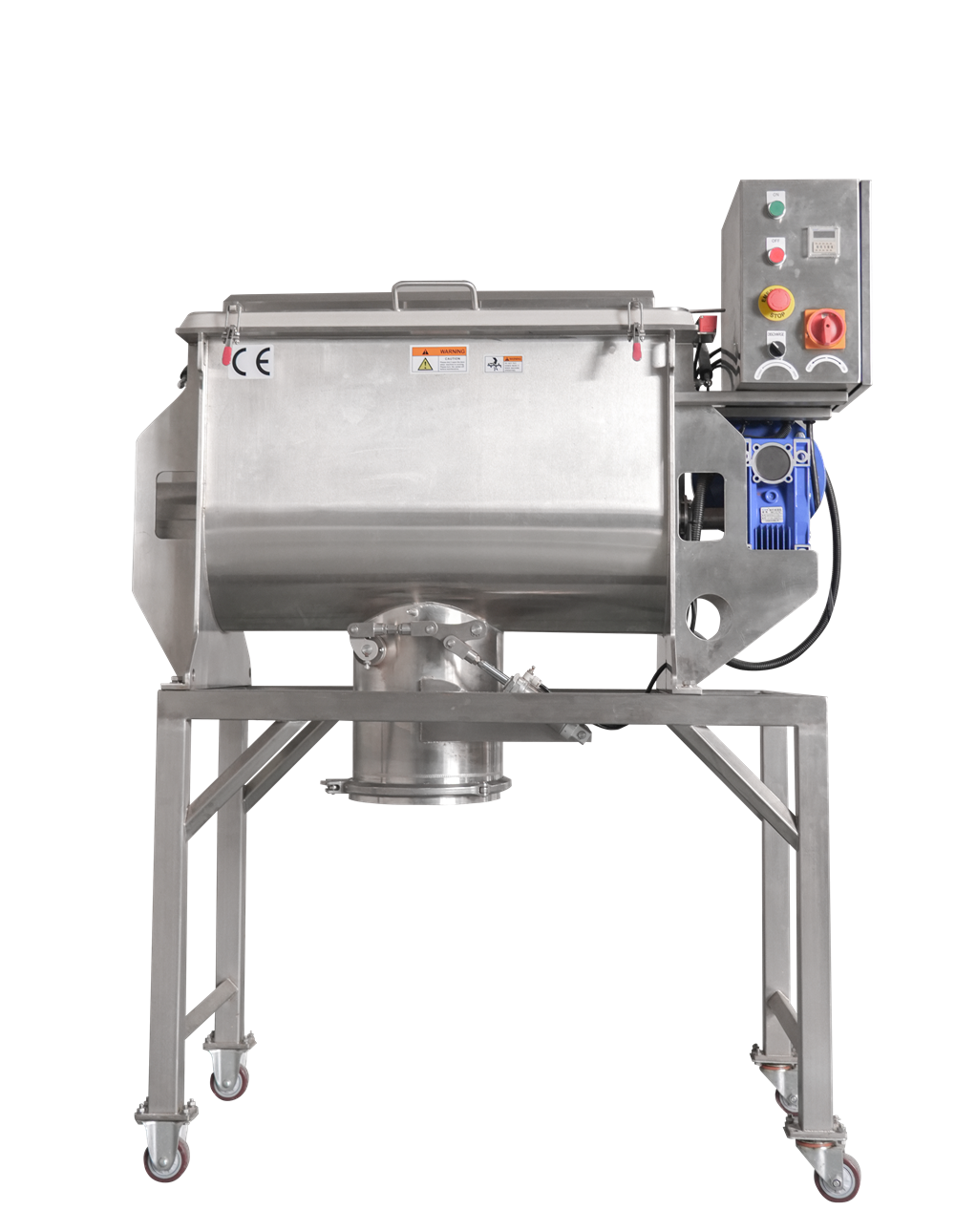
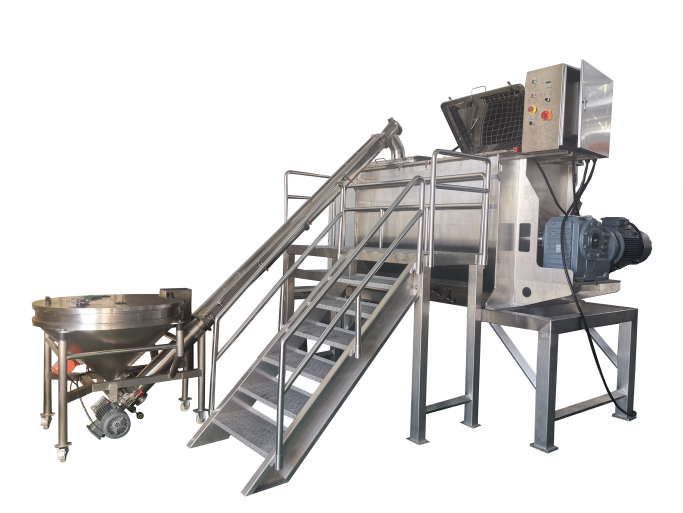
Specialized used equipment dealers are a practical choice when working with a limited budget. Companies like Aaron Equipment specialize in buying and selling used mixing equipment and frequently have ribbon mixers from well-known brands such as Paul O. Abbe and J.H. Day in stock. The advantage of purchasing used equipment is that the price may be only a fraction of that of a new machine, and if you choose the right brand, mechanical reliability is still assured. However, it’s important to note that used equipment typically does not come with the same warranty as new machines; it’s best to inspect the machine on-site or request detailed operational videos before purchasing.
Key Factors Affecting Price
Before searching for a seller, understanding the pricing logic can help you avoid pitfalls. Material is the first key differentiator: carbon steel is the least expensive and is suitable for materials like fertilizers that do not require high rust resistance; whereas the food and pharmaceutical industries must use 304 or even 316L stainless steel, with the latter capable of withstanding materials containing salt or acidic/alkaline substances.
Surface treatment also has a significant impact. A machine with mirror-polished inner walls (surface roughness Ra ≤ 0.4 μm) may incur labor costs two to three times higher than those of standard sandblasted machines, but this results in less material residue and easier cleaning. Additionally, the type of shaft seal (packing seal, air seal, or mechanical seal) and whether electrical components are from international brands such as Siemens or ABB will significantly affect the final quote.
Pre-Purchase Reminders
Do not be misled by low prices, especially when it comes to food or pharmaceutical production. A cheap machine equipped with substandard seals may begin leaking powder after just a few months of operation, and the cost of replacing seals or repairing the shaft neck may far exceed the initial savings. It is equally important to confirm that the seller can provide actual after-sales support, not just verbal promises. Established manufacturers typically offer on-site commissioning services by overseas engineers or, at a minimum, video-guided installation support.
Post time: Sep-30-2026