
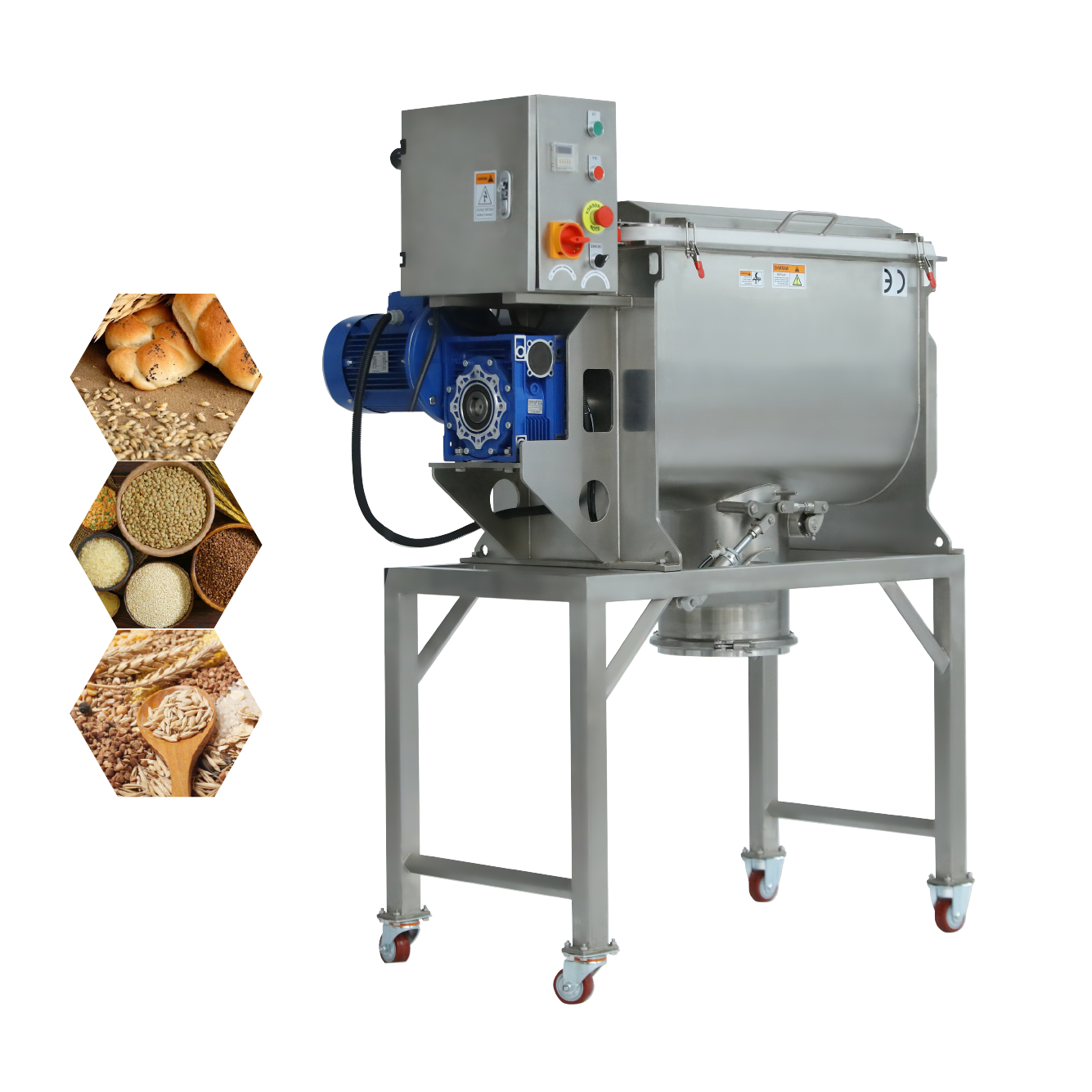
What affects the price of a ribbon blender?
Contact Material
The material used for all parts that come into direct contact with the product is one of the fundamental cost drivers.
Stainless steel: Mandatory for food, pharmaceutical, and cosmetic applications where sanitary standards are strict. Among stainless steels, SS304 is the standard choice, while SS316 / SS316L—which contain molybdenum for enhanced resistance to acids and chlorides—are significantly more expensive than SS304.
Beyond raw material costs, the choice of material also affects fabrication complexity, including welding techniques and surface polishing requirements, both of which influence final labor and processing costs.
Capacity and Dimensional Specifications
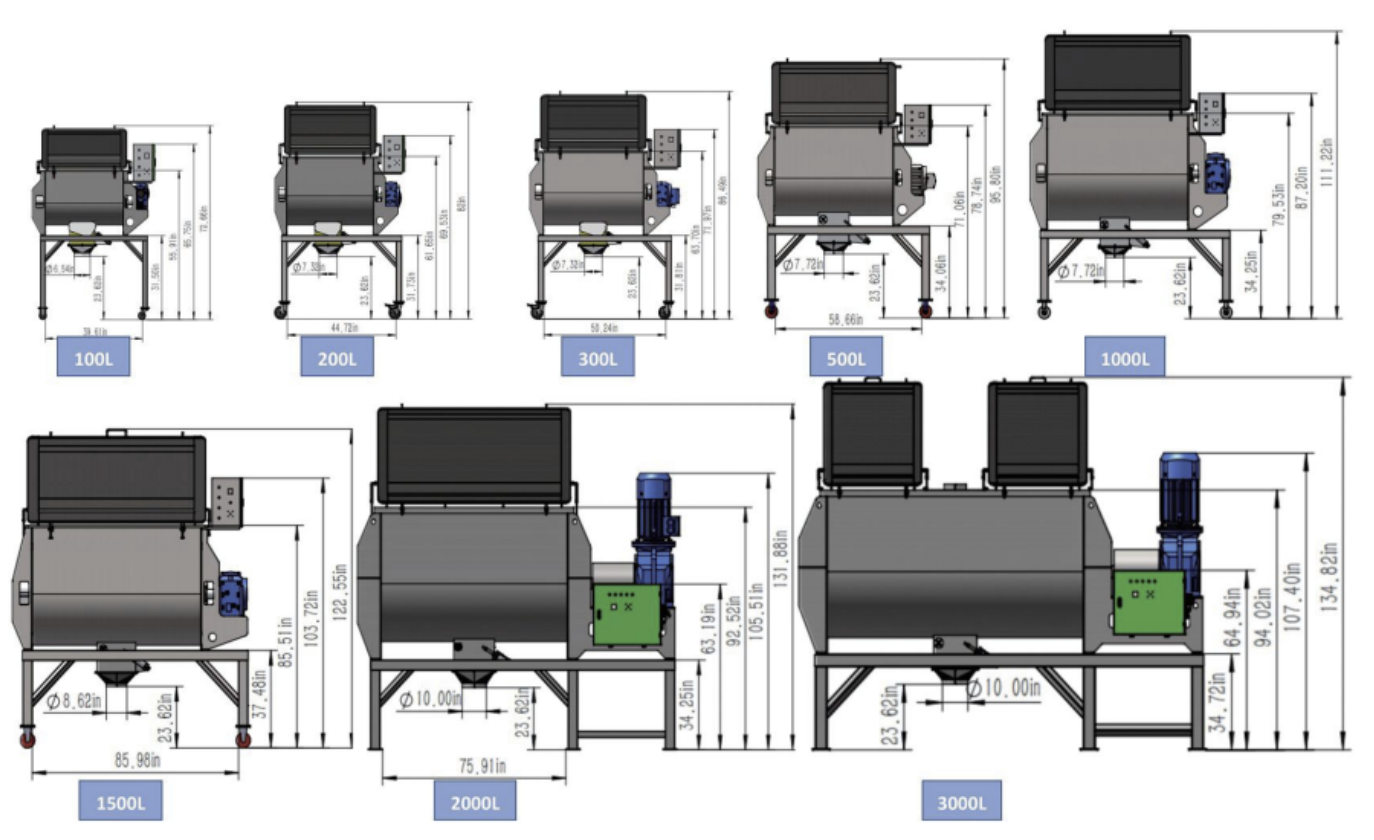
The working volume of the equipment directly determines its manufacturing cost, making this the most intuitive pricing factor. Capacities range from small laboratory-scale units of several tens of liters to large industrial models of several thousand liters or even over 10,000 liters for high-throughput production.
- Larger capacities require substantially more metal for the trough, agitator shaft, and ribbons.
- Demanding upgraded drive motors and gearboxes with higher power ratings.
- Overall physical dimensions affect shipping, rigging, and on-site installation complexity.
Non-Standard Customization and Optional Features
This is the variable that creates the widest price differences among units with the same nominal capacity. Standard off-the-shelf models have relatively predictable costs, but any departure from the standard design will drive the price upward.
Adjusting inlet/outlet ports, ribbon-to-trough clearance, adding jacketed shells for heating/cooling, and vacuum/pressurized operation configurations.
Liquid addition (spray bars), Automation (VFD, PLC, weighing), Cleaning (CIP, manholes), and Safety (Explosion-proof, gas seals).
Note: Cost increases can range from 15% to several times the base price depending on complexity.
Equipment Quality and Quality Control Systems
Equipment quality extends beyond material thickness to encompass fabrication precision, assembly accuracy, and factory testing standards—costs that are often “invisible” yet directly affect operational stability.
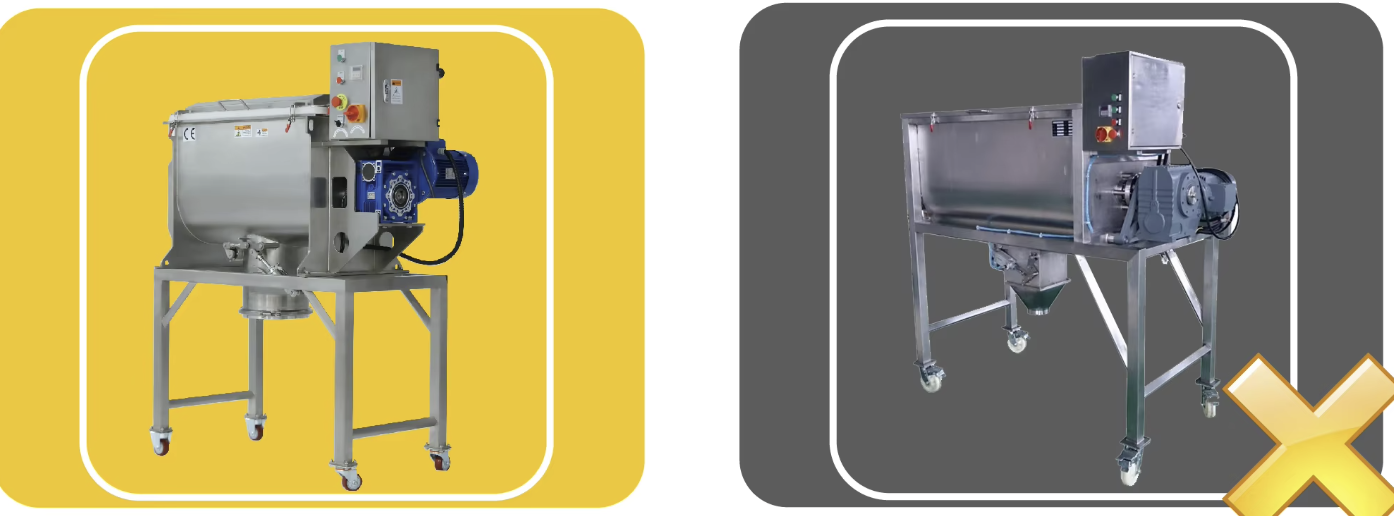
Fabrication techniques: The smoothness of internal trough surfaces and ribbon polishing, along with weld seam quality, directly impact material residue and cleaning difficulty.
Dynamic balancing and concentricity: The precision of dynamic balancing for the agitator shaft and ribbons directly influence vibration levels, noise, and seal longevity.
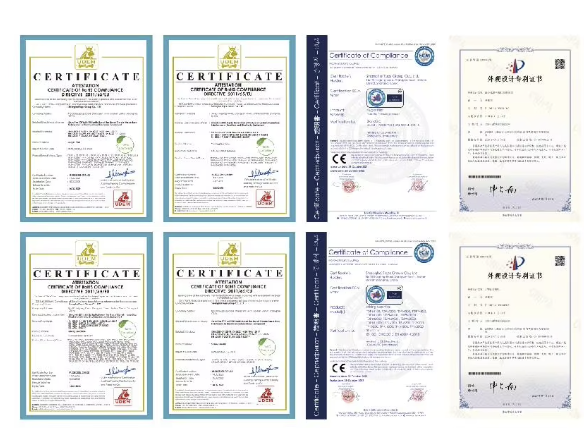
Quality control and certifications: ISO-certified quality management, CE marking, or GMP compliance statements require upfront design validation and documentation efforts.
From these four dimensions, it is evident that the final price of a ribbon blender is not a single answer, but rather a comprehensive outcome of material choices, size specifications, customization depth, and quality standards. We recommend clarifying your material characteristics, process requirements, and compliance targets before requesting quotations, so that you can strike the optimal balance across different configuration options.
Post time: Oct-28-2026