
The price of a ribbon blender is not a fixed figure; rather, it is determined by a combination of technical parameters and configuration options. Manufacturers typically provide quotations based on specific process requirements, so understanding the core factors that influence cost can help you make more informed budgeting and technical decisions during procurement. The following analysis is structured around four key dimensions: material, capacity and size, non-standard customization and optional features, and equipment quality.
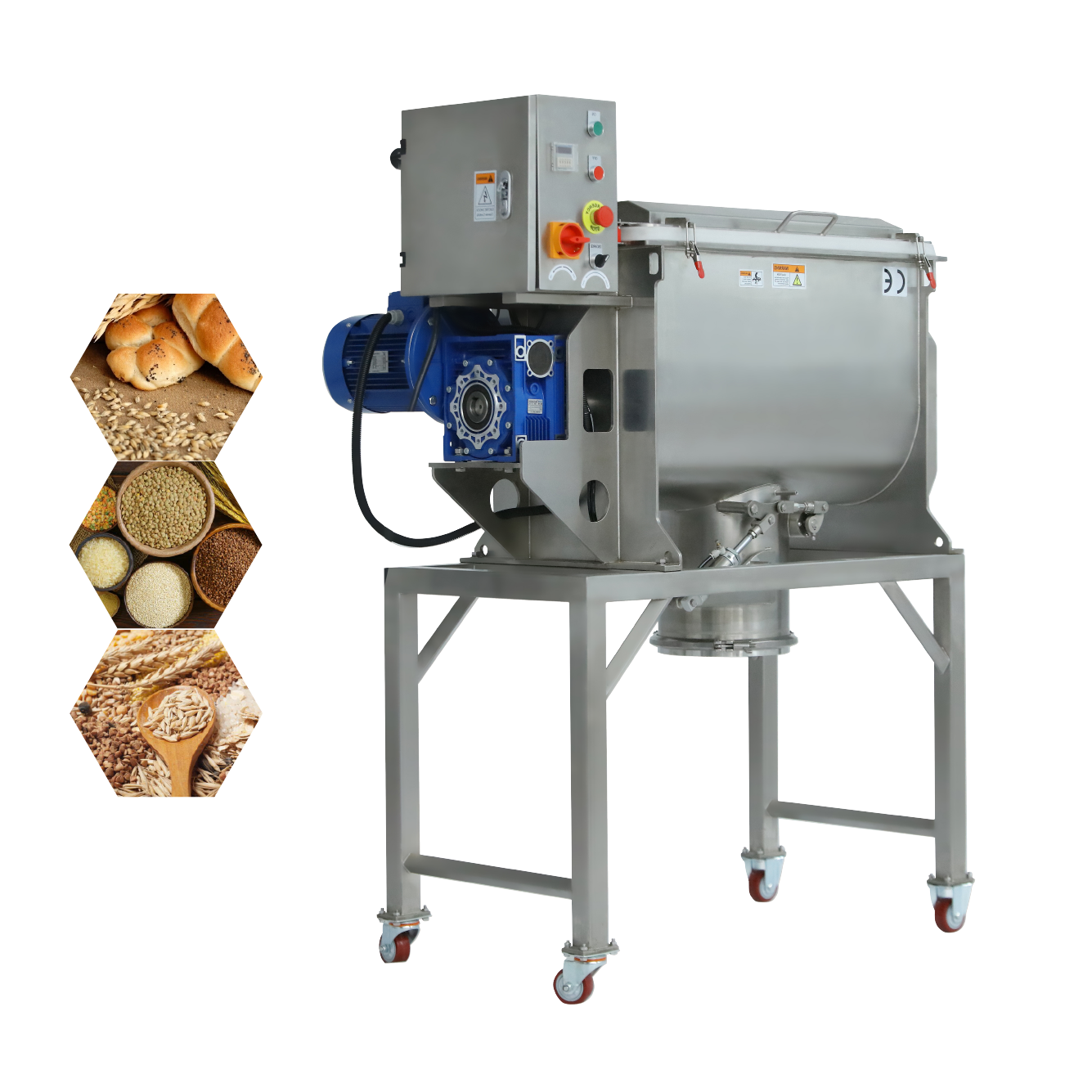
What affects the price of a ribbon blender?
I. Contact Material
The material used for all parts that come into direct contact with the product is one of the fundamental cost drivers.
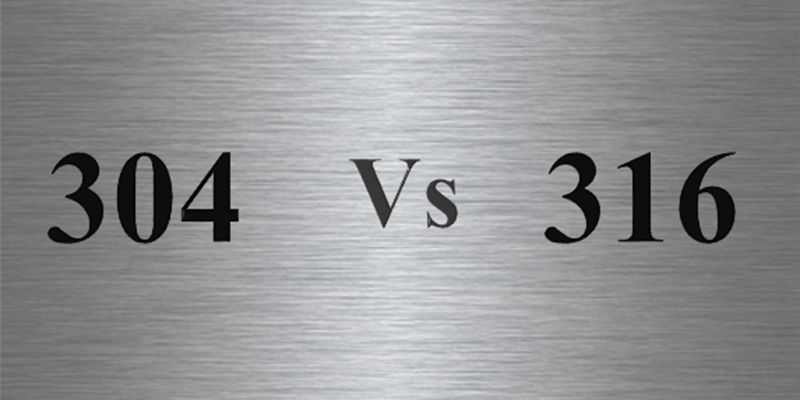
Beyond raw material costs, the choice of material also affects fabrication complexity, including welding techniques and surface polishing requirements, both of which influence final labor and processing costs.
II. Capacity and Dimensional Specifications
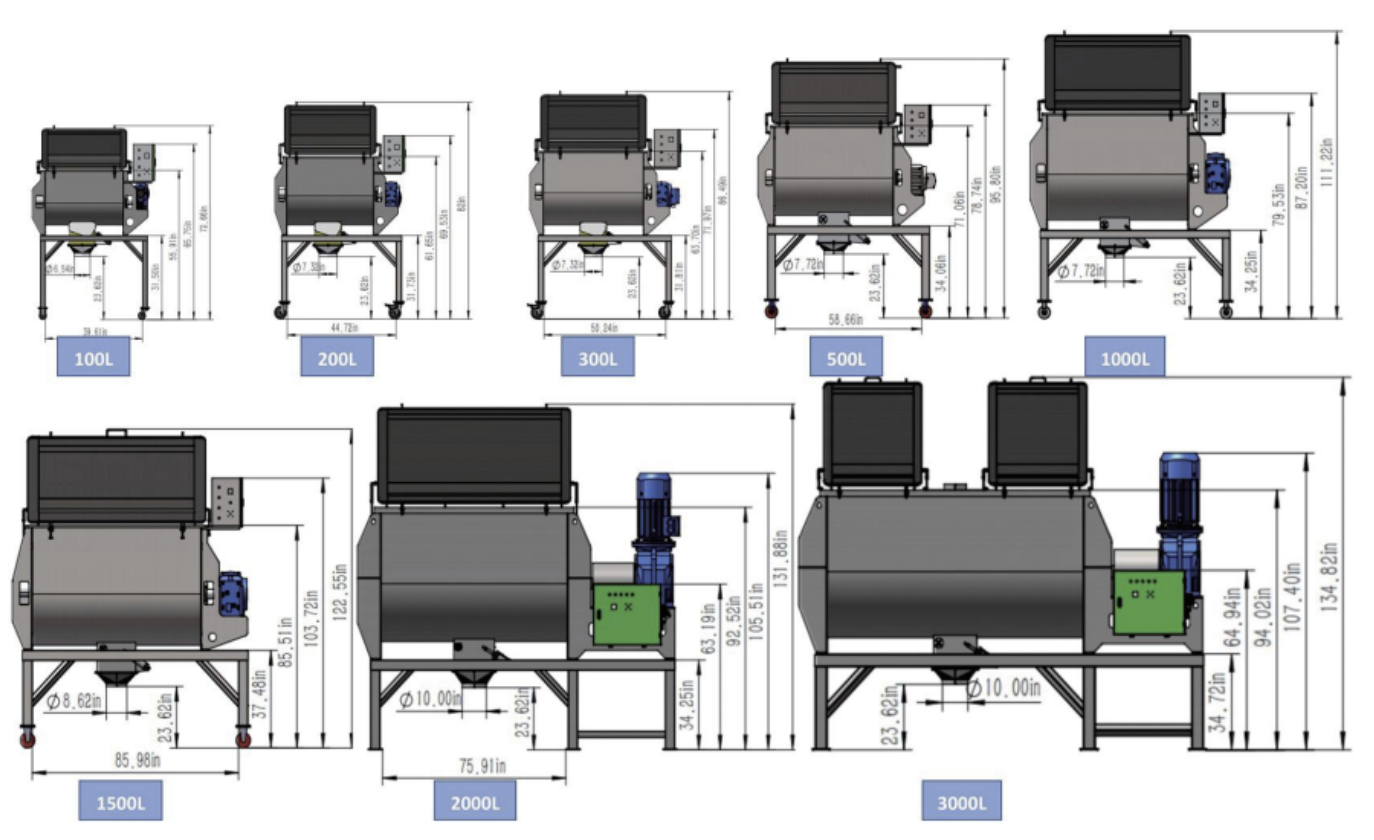
The working volume of the equipment directly determines its manufacturing cost, making this the most intuitive pricing factor.
Capacities range from small laboratory-scale units of several tens of liters to large industrial models of several thousand liters or even over 10,000 liters for high-throughput production.
Larger capacities require substantially more metal for the trough, agitator shaft, and ribbons, while also demanding upgraded drive motors and gearboxes with higher power ratings. This leads to a non-linear cost increase as size grows.
Additionally, overall physical dimensions affect shipping, rigging, and on-site installation complexity—indirect costs that are particularly notable for oversized units.
III. Non-Standard Customization and Optional Features
This is the variable that creates the widest price differences among units with the same nominal capacity. Standard off-the-shelf models have relatively predictable costs, but any departure from the standard design will drive the price upward.
Optional functional systems:
- Liquid addition systems: Spray bars or nozzles for uniform incorporation of liquid ingredients.
- Automation and controls: Variable frequency drives, PLC-based program control, weighing and metering systems, and interlocked automatic charging/discharging.
- Cleaning and maintenance: Clean-in-place (CIP) systems, manholes, and access doors for inspection.
- Safety features: Explosion-proof motors and control panels, shaft-end gas seals, and safety light curtains.
The more complex and integrated the optional features, the higher the demands on design, assembly, and commissioning—cost increases can range from 15% to several times the base price, depending on the level of customization.
IV. Equipment Quality and Quality Control Systems
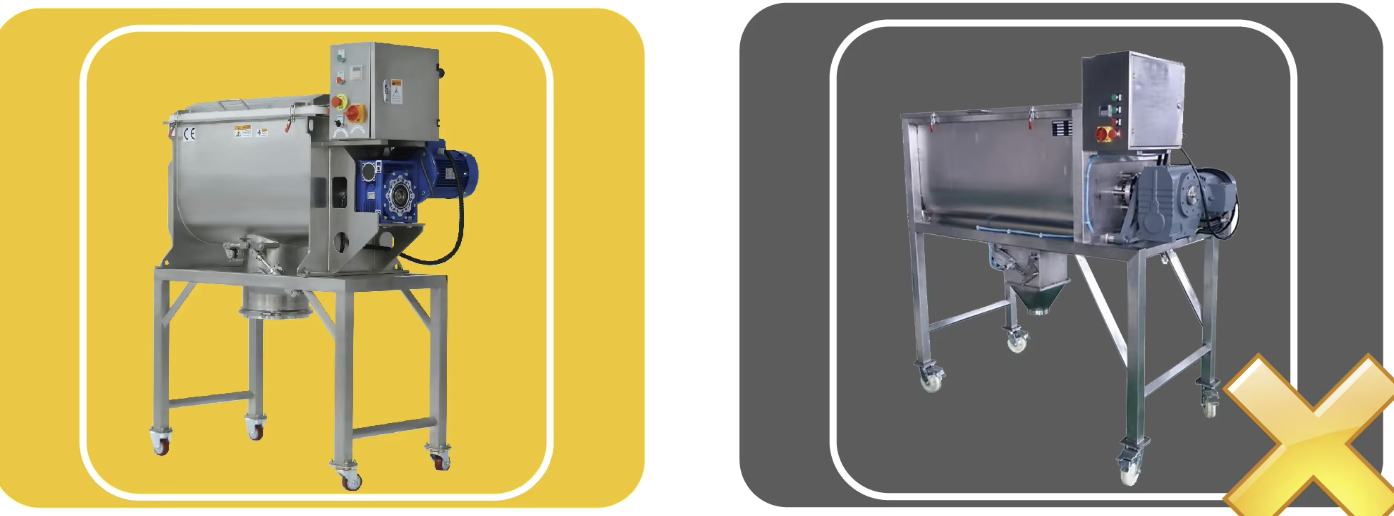
Equipment quality extends beyond material thickness to encompass fabrication precision, assembly accuracy, and factory testing standards—costs that are often “invisible” yet directly affect operational stability and service life.
Post time: Aug-25-2026