
In the field of powder engineering and bulk material handling, the selection of mixing equipment directly impacts the uniformity of the final product, production efficiency, and batch consistency. Ribbon mixers and cone mixers are the two most widely used types of equipment in industry. Although both aim to achieve uniform mixing of materials, they differ significantly in terms of structural design, operating principles, applications, and maintenance requirements. A clear understanding of these differences is essential for making an informed equipment selection.
I. Structural Design and Operating Principle
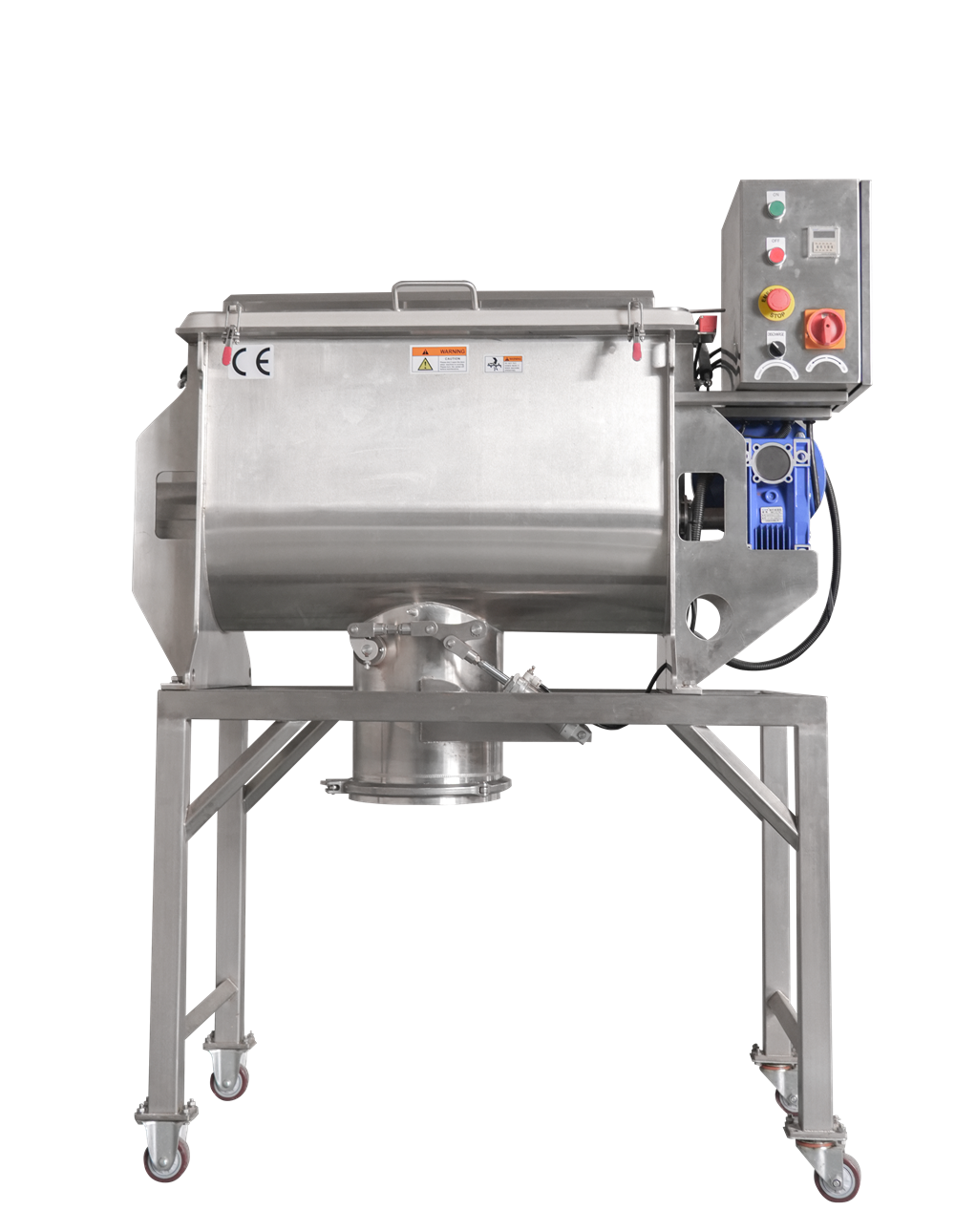
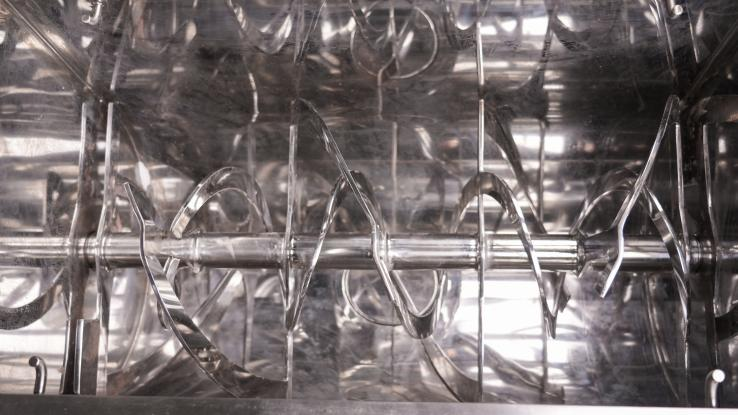
Ribbon mixers typically feature a horizontal U-shaped drum structure. A horizontal main shaft is mounted at the center of the drum, with inner and outer layers of ribbons fixed to it. The outer layer of helical blades conveys the material from one end to the other, while the inner layer moves in the opposite direction. As the main shaft rotates, the material forms an axial convective circulation within the drum, while simultaneously undergoing radial shearing and tumbling by the helical blades. This mixing method, which relies primarily on forced convection, achieves macroscopic uniformity of the material in a short period of time.
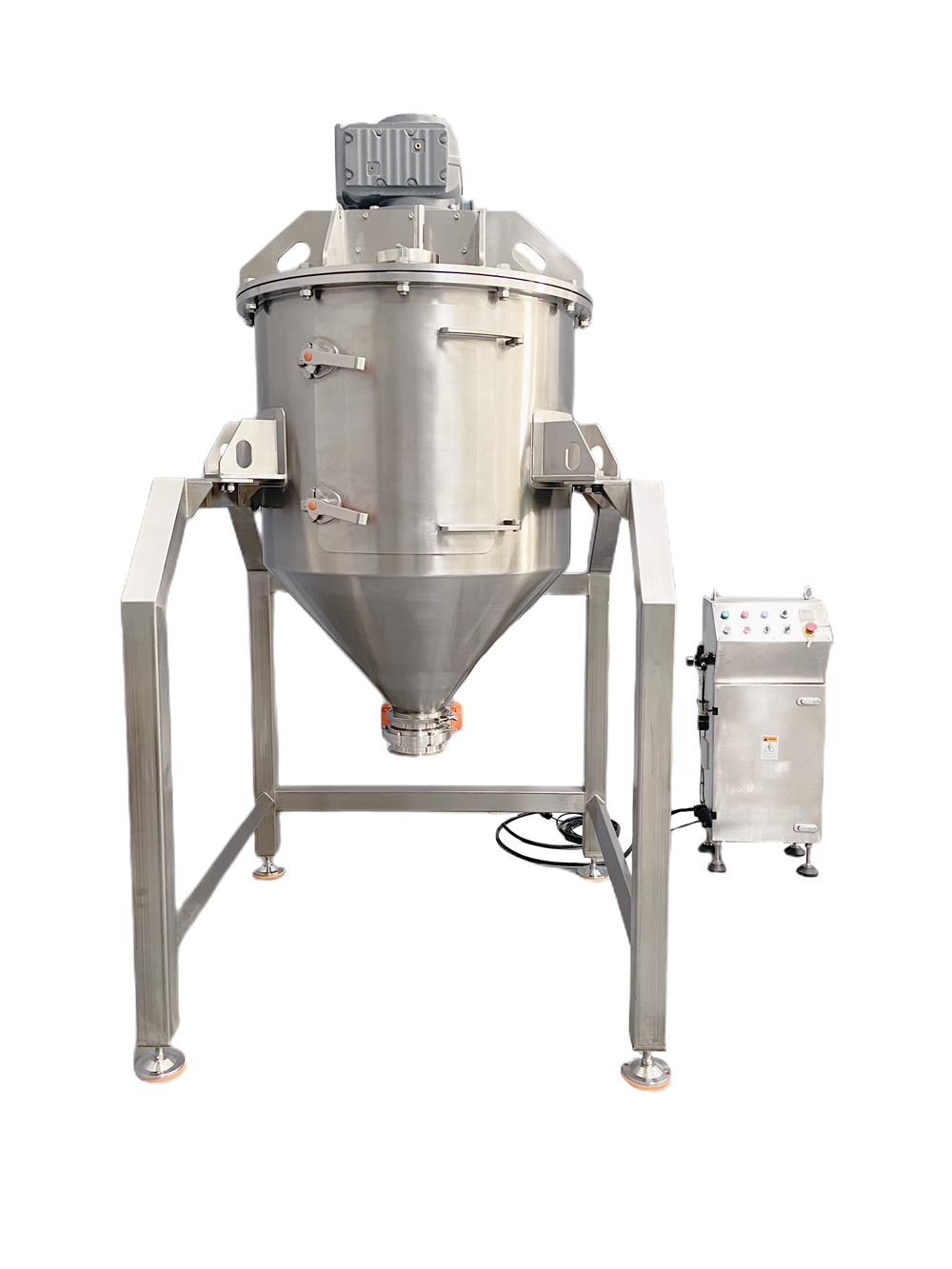
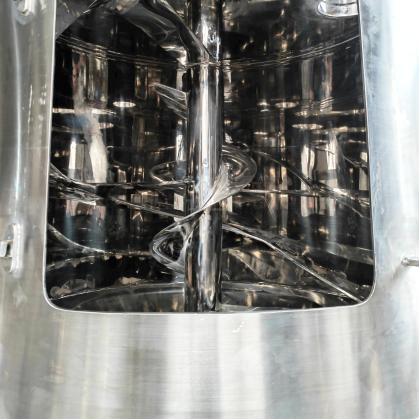
Cone mixers, on the other hand, feature a vertical cone drum structure. It typically contains one or two helical screws. These screws rotate around their own axes, lifting material from the base of the cone, while simultaneously orbiting along the inner wall of the conical cylinder. After being lifted to the top, the material naturally falls down the cone wall under the force of gravity. This process relies primarily on diffusion mixing; material movement is relatively gentle, with no intense mechanical impact.
II. Mixing Characteristics and Processing Capacity
In terms of mixing efficiency, screw ribbon mixers offer clear advantages. For common dry powders or granular materials, a high degree of mixing uniformity is typically achieved within 3 to 8 minutes. At the same time, screw ribbon mixers have a wide filling range, generally operating between 40% and 60% of the effective volume, and offer a large single-batch processing capacity.
Cone mixers require relatively longer mixing times, typically taking 10 to 20 minutes to achieve the same level of uniformity. Their optimal fill rate is generally maintained between 30% and 50% of the container volume. However, cone mixers typically have lower installed power per unit volume compared to ribbon mixers; therefore, their energy efficiency advantages become increasingly apparent during prolonged operation or when processing high-density materials.
III. Material Suitability and Limitations
Cone mixers are suitable for processing fragile, deformable, or high-value materials. Since the mechanical forces acting on the material during the lifting and dropping processes are minimal, the particle morphology is preserved intact. In contrast, ribbon mixers have limitations when processing fragile materials, as shear forces may cause needle-like crystals or brittle particles to break. This is particularly critical in applications such as the blending of pharmaceutical raw materials, catalyst preparation, and the processing of fine ceramic powders. Furthermore, cone mixers are often integrated with vacuum systems to achieve integrated mixing and drying operations. The limitations of cone mixers are evident in the handling of viscous materials: if the material has a high moisture content or inherent stickiness, material buildup may occur on the screw surface or the inner wall of the cone chamber.
IV. Thorough Discharge and Ease of Cleaning
In batch production, the amount of material residue inside the equipment directly affects the risk of cross-contamination during formula changeovers.
ConE mixers perform well in this regard. Due to their conical structure, the discharge port is located at the lowest point, allowing the material to be almost completely emptied by gravity. The internal structure is relatively simple, with no complex baffles or support components, making it easy to clean and inspect. For production lines requiring frequent product changes (such as food additives or multi-product fine chemicals), cone mixers are better suited to meet GMP cleanliness requirements.
Due to their horizontal design, ribbon mixers typically have discharge ports located at the lower side or center bottom of the drum, which cannot cover the entire length of the drum. After mixing, a small amount of material remains on the inner walls of the end plates at both ends of the drum or in the gaps at the ends of the screw blades. Although residual material can be reduced through design improvements (such as enlarging the discharge port or using an air-blow system), overall, the thoroughness of discharge is not as good as that of a conical mixer. Therefore, in scenarios involving frequent color or product changes, using a screw ribbon mixer requires allowing for a longer machine cleaning time.
V. Space Requirements and Investment Costs
From an engineering layout perspective, the two types of equipment have different requirements for the factory building.
Screw ribbon mixers have a relatively low overall height, making them suitable for facilities with limited ceiling clearance. However, they occupy a large floor area, and because they typically use a horizontal layout, connecting
Post time: Sep-30-2026